
How to Choose an Interior Paint Type
 As the weather cools down, you decide it’s time to tackle the interior painting project you’ve been putting. You go to the store and bring home a ton of different paint samples. When you finally decide on one, you find there are not only different paint colors, but paint types as well. You like the shade, but did you choose the best paint type for that particular room in your home? We break down the basics for you.
Paint Primer
Primer is the base coat applied to walls at the beginning of every painting project. Primer is used to protect the fresh surface below and keep it strong. For instance, if there is an accident that sends something heavy into the wall, the plaster is less likely to crack from the pressure between the primer and coats of paint.
Interior Wall Paints
Once base coats have been applied and the surface is stabilized for better paint adhesion, it’s time to pick your main event: The decorative finish! What are the differences between reflective, low-sheen and glossy paint?
Eggshell Paint
For homeowners who want a subtle shine, but are looking for a sturdier paint, eggshell is the way to go. This type of paint has a soft appearance, helps smooth bumps and cracks, and is easy to clean. We recommend its use in a dining room, where there is low foot traffic.
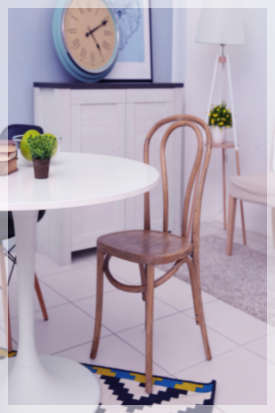 Is bold always better? Not when it comes to the walls in your home. As painters, we love the freedom to express feelings through color, but also recognize that vibrant shades can have a negative effect on a room’s ambiance. For instance, painting the bedroom bright red when that space is meant to be serene and relaxing for sleep.
 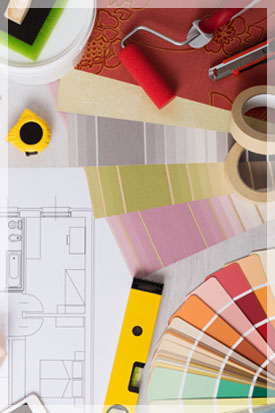 As a homeowner, you should be proud of your property rather than self-conscious about its appearance. However, when a poor paint job leaves the exterior or interior rooms dilapidated, it can be frustrating. You spend a lot of time maintaining your yard and cleaning up after the kids, but can only do so much to distract from cracked, fading paint.
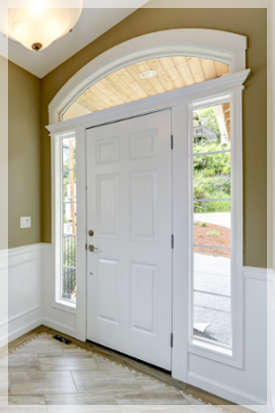 Do your interior rooms need a refresh? One of the most cost-effective ways to remodel a home’s interior is to repaint the molding. When your trim is faded, chipped or otherwise damaged, it has a negative effect on the rest of the room. If your interior paint jobs are relatively recent, but your molding faces everyday wear and tear, consider a molding touch up.
 You’ve decided to update the interior rooms of your home or office, but face an important question: paint or wallpaper? There are pros and cons to each, depending on how the space is used and the atmosphere you want to create. We offer four tips to help make your decision easier.
 What’s your favorite color? This is a common “get to know you” question that we’ve been asking one another since we were little. Colors hold a lot of significance in our lives; we choose clothes, cars and phone cases based on our favorite ones. Colors also have a profound impact on our mood – does yellow make you feel calm or uneasy?
 For the average homeowner, the impression that guests have of your home is important. The typical business owner works just as hard to make their office space a welcoming environment for clients. When your interior rooms have cracked or peeling paint, it defeats that goal.
  Nothing lasts forever, but with the right care, you can extend the life and luster of the paint in your home. Time will certainly take a toll on the appearance of paint in certain rooms, but there are steps you can take as a homeowner to ensure your paint jobs last.