
The Most Common Ceiling Repairs
Companies like M. Brett Painting get many requests for ceiling repairs. Some end up being relatively minor – drywall or a popcorn ceiling needing a touchup – to large-scale projects that involve replacing the material completely.
We list some of the most common ceiling repairs homeowners could encounter:
For Acoustic Ceilings
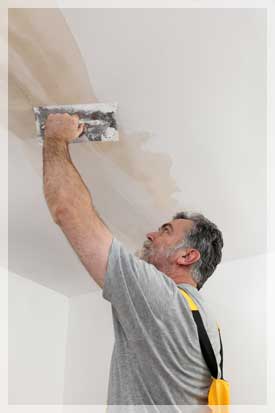 Homeowners often want this material, typically called a “popcorn ceiling,” gone for its dated look, easily damaged surface, and potential asbestos risk. While companies can remove it completely, this spray material can also be repaired for:
- Leaks and water damage
- Flaking material that leaves patches of bare drywall.
- Repairing the popcorn ceiling for a more consistent, even look.
For Drywall Repair
Repairs of this type extend from aesthetic touchups to full-on replacement.
This may be:
- Repairing the texture. Over time, orange peel and other ceiling textures wear away, so adding more drywall and re-texturing it gives the ceiling a uniform look.
- Repairing small and large holes. The latter option may involve adding additional support to the ceiling and replacing part of the drywall.
- Repairs stemming from water leaks. In this scenario, the bathroom on the floor above overflows and water then leaks through to the ceiling below. As a result, a contractor needs to clear away the damaged portion of the ceiling – water may be present in the material – and add new drywall.
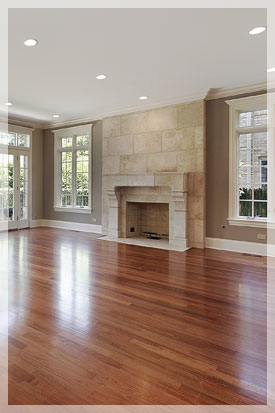 You selected hardwood for its rustic quality, and made sure you had a professional install, sand, and finish it. Yet, keeping up its appearance comes down to maintenance; particularly, hardwood requires daily and weekly care. Consider these tips:
 Water, whether dripping and accumulating gradually or flowing out of a pipe and flooding your home, causes a significant amount of damage, both to your structure and any possessions inside. Not only that, its presence attracts mold, collects behind walls and inside floors, and may attract bacteria to grow. As well, you never know what’s in the water; the flood could end up exposing you and your family to pathogens and contaminated liquids, both harmful to your health.
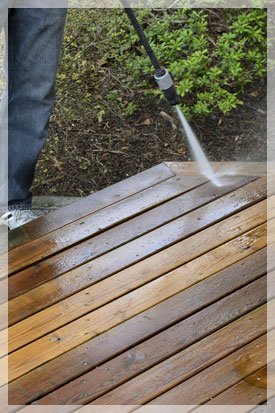 You might look at your home’s siding or driveway and marvel at the amount of dirt and algae coating it. Or, you might be doing some spring maintenance and think about adding a brand new coat of paint. In these scenarios and many others, pressure washing is the force that gets rid of the dirt and debris and prepares the exterior for a fresh coat of paint.
 Any homeowner wanting to change the appearance of a room has to decide between wallpaper and paint. Both have significant transformative qualities; however, each has its pros and cons.
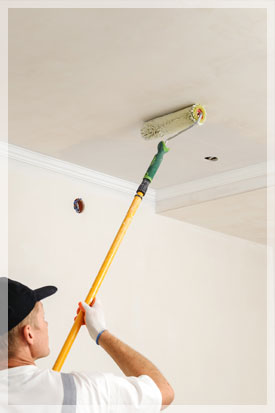 ommonly known as a popcorn or cottage cheese ceiling, textured ceilings emerged in the 1930s and grew in popularity from the ‘50s to the ‘80s. Yet, many homes still contain the material, initially sprayed on or added as tiles, and homeowners start to wonder, “Should I keep it or remove it?”
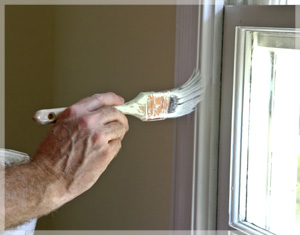 The weather’s just right for getting an interior paint job done, whether it’s a full room or just one window.
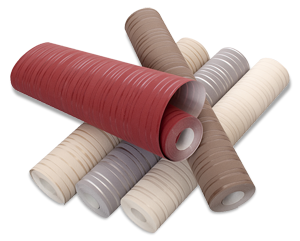 You’ve thought about giving your home’s interior a do-over. Economically, wallpaper gives the greatest impact. Yet, you’re dealing with some exposed brick and other textured surfaces, and you’re wondering if this is a good choice.
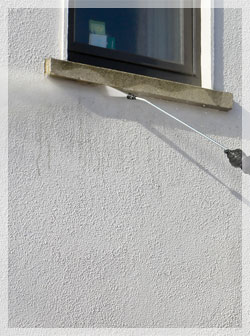 Pressure washing has turned into the de facto method for cleaning a home’s or commercial building’s exterior. On a very general level, the system emits a fast, concentrated stream of water, which then takes off mildew, dirt, mold, and other accumulated substances. Yet, for it to be effective, kinetic energy comes into play, and this helps loosen the particles before the stream washes them away.