
The 7 Most Essential Warm-Weather Improvements
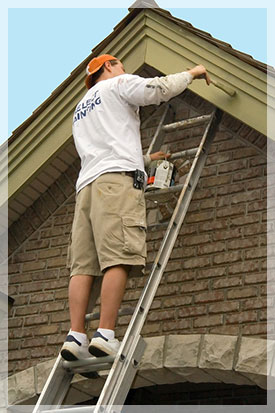 When spring is coming to an end and the summer is just beginning, the weather is perfect for doing various cleaning tasks and exterior maintenance projects. So, during this window of available time for home improvements, what should you consider?
1. Windows
When you wash your siding, don’t forget about your windows in the process. As you go through this exterior cleaning procedure, wash the glass, sashes and inspect the material for any rot or mold.
2. Gutters
It’s recommended that you clean out your gutters at least twice a year – more if you live in a wooded area, which covers several areas of Connecticut. In this process, remove all leaves and debris and make sure the gutters drain correctly. Otherwise, you could experience mold issues in the basement, a leaking roof or foundation problems in the near future.
3. Siding
Check your siding for any cracks and bulges, along with mildew and rot. At the same time, if you paint your siding, make sure the coat is still free of cracks, chips and film.
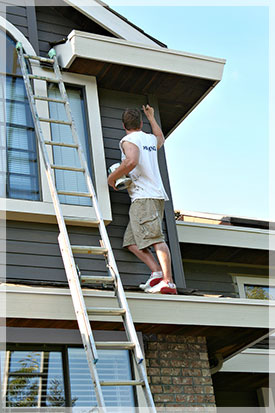 Spring and summer are the ideal seasons for an exterior paint job. Fall can also offer optimal weather conditions for painting, but certain days are better than others. Professional painters know to avoid rain, but completing a project in direct sunlight can be equally ineffective.
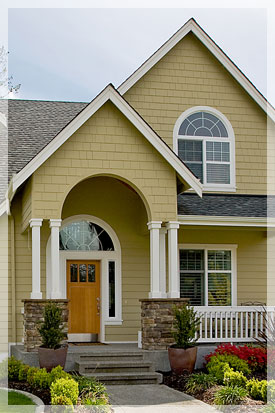 When a paint job is done poorly, it begins to show after a few short years. Even when a professional completes the project properly and thoroughly, there comes a time for a new coat.
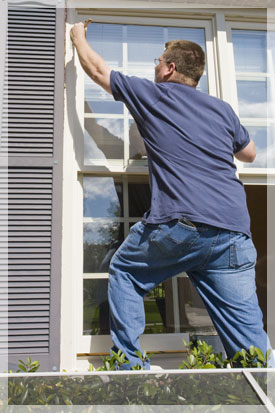 At some point, you may realize that it has been far too long since you last painted your Connecticut property. Further, you’ll start to wonder whether or not it is a good time for a new coat, despite how badly your home may need it.
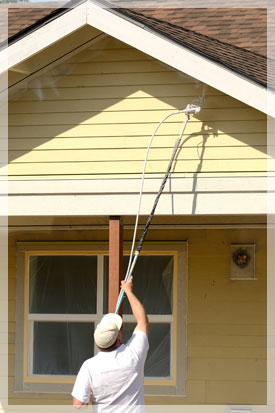 When it comes to painting your home, three seasons have ideal weather: spring, summer and fall. However, not every day is perfect. Fall can be a bit too chilly spring conditions can be wet and hot summer days can be too sunny.
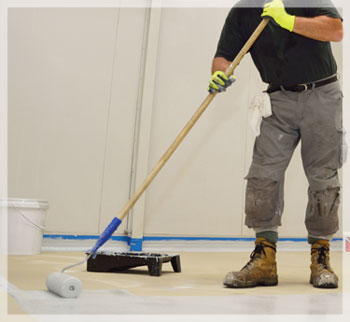 While commonly associated with garages, epoxy coatings are growing in trend, especially in commercial areas. It is a protective material made from epoxy resin, a viscous substance. Due to foot traffic and equipment usage, facilities experience a high level of wear and tear, which adds up over time and requires costly repairs. Additionally, cracks and wet, slick surfaces present slip and fall risks, which an even, non-slip coating can help reduce.
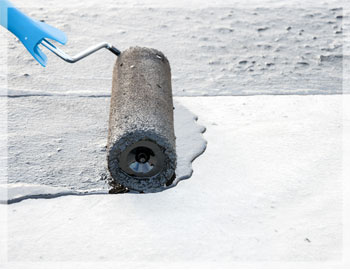 Before your property reaches this point, make sure all key areas are waterproofed. Where should you start?
 Wallpaper removal and installation come with multiple risks: damaging the wall and surrounding light fixtures, not having sheets line up and ending up with an uneven surface. So, instead of making this a DIY project, why should you get the professionals involved?
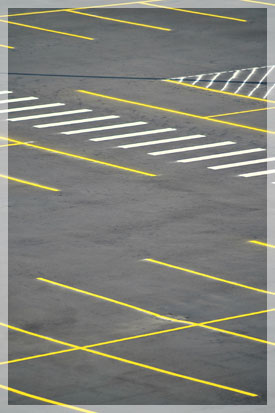 If you’re a business owner, you probably know that a visitor’s first impression of you can be formed by the state of your parking lot. If the pavement displays cracks, worn lines or pot holes, this shows people that you simply do not care.