
Protect Your Home’s Exterior from Winter Weather
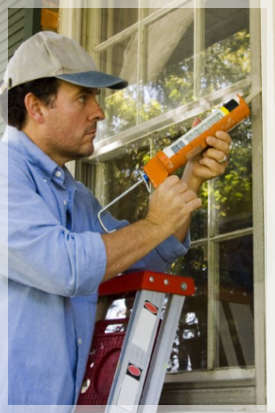 Unfortunately, we have little control over the havoc that winter weather can wreak on our homes. In New England, homeowners see snow ranging from light and fluffy to wet and heavy, dangerous ice storms and unforgiving freezing rain.
While you cannot secure your home in a bubble for the duration of the season, you can take some simple steps to help protect the exterior of your residence all winter.
Check Your Paint
During the fall season, we can see seasonably warm temperatures before winter weather arrives. Take advantage of these mild days to get outside and inspect your home’s exterior paint job.
If you notice buckling and chipped paint or rotting wood, act now to ensure the damage does not worsen over time. Make your paint touch-ups and contact a professional to evaluate the state of the wood.
Clean the Surface
Pressure washing is popular maintenance in spring, but it should be done in the fall too. When winter arrives, you may not see your lawn, porch or fence without a pile of snow on top for several months.
If you clear away dirt and debris beforehand, you are protecting these surfaces from further contamination. For your paint in particular, it is better suited to face the elements clean than dirty.
 Thanksgiving results in three times the average number of house fires than a typical day. According to the National Fire Protection Association (NFPA), this eating holiday is the most common day for house fires involving cooking equipment. While this holiday is a time to make treasured family recipes and make new memories, it’s important to keep the following fire safety tips in mind.
 Thanksgiving 2017 is on its way and so are family gatherings and work parties. These holiday festivities are fun, but also cost money to cater. This year, take some of the stress and expense out of decorating your home or office for Thanksgiving! Try these 4 do-it-yourself (DIY) decor ideas.
  As the weather cools down, you decide it’s time to tackle the interior painting project you’ve been putting. You go to the store and bring home a ton of different paint samples. When you finally decide on one, you find there are not only different paint colors, but paint types as well. You like the shade, but did you choose the best paint type for that particular room in your home? We break down the basics for you.
 October is National Fire Prevention Month. According to the US Fire Administration, there were 1,298,000 fires in 2014, 3,275 deaths and $11.6 billion in damages. Fortunately, these statistics have decreased from previous years’ data, but fire damage remains a concern for homeowners.
 If you work in a garage, school, restaurant or other location with highly-trafficked floors, a commercial floor coating may be beneficial for your business. These materials can resist the effects of constant foot traffic without compromising the look of non-carpeted floors.
 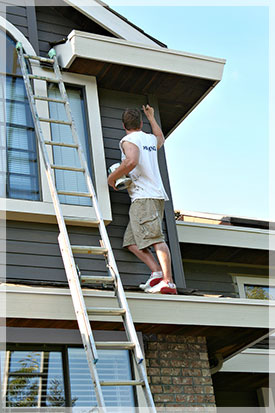 Living in New England, many of us are used to an abrupt transition from hot to cool weather between seasons. When autumn arrives, kids are back to school, beach gear is packed away until next year and pumpkin spice lattes return to keep us warm when temperatures drop.
  Is bold always better? Not when it comes to the walls in your home. As painters, we love the freedom to express feelings through color, but also recognize that vibrant shades can have a negative effect on a room’s ambiance. For instance, painting the bedroom bright red when that space is meant to be serene and relaxing for sleep.
 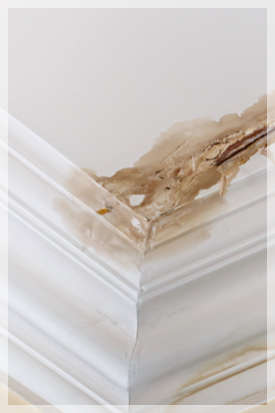 A company’s office building says a lot about the business. From the road, people likely pass your commercial property every day; the way it looks from the outside can have a direct impact on what potential customers think. If their first impression is negative due to an issue with water damage, it may be time to contact the professionals.
 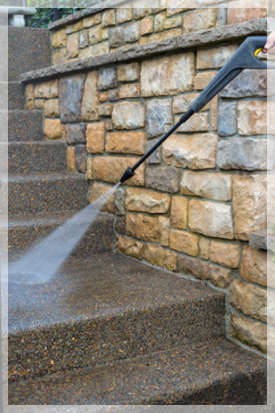 Our homes are exposed to the elements every day. Between spontaneous downpours to whiteout blizzard conditions, they see the full spectrum of weather. When these patterns lead to stuck-on dirt and grime, the exterior of your property can look dilapidated. What steps can you take to remove this debris?